In the early morning hours of June 18, 1969, the Kansas State Penitentiary was already tense. The night before, prison officials had conducted a rare general shakedown, searching cell houses for contraband. Cells were entered, property was removed, and inmates were kept awake well into the night. By morning, exhaustion and frustration hung heavily inside the walls.
After breakfast, inmates were sent to their regular work assignments. It was then that the unrest surfaced. Windows were smashed in two cell houses, and small fires were set, signaling that order inside the prison had begun to break down. What had simmered through the night now erupted in daylight.
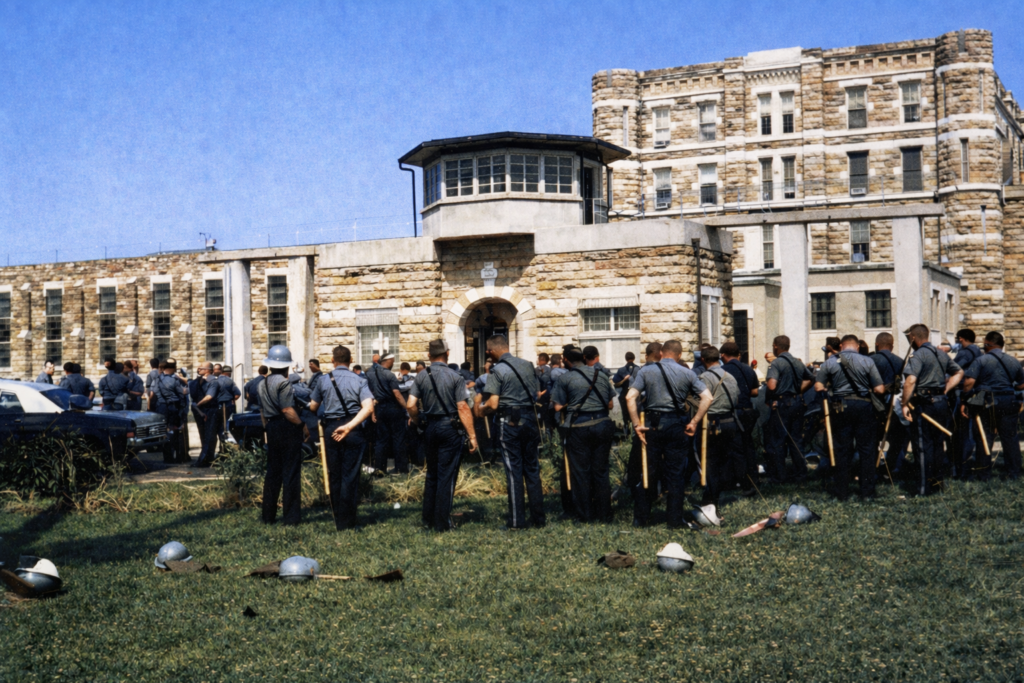
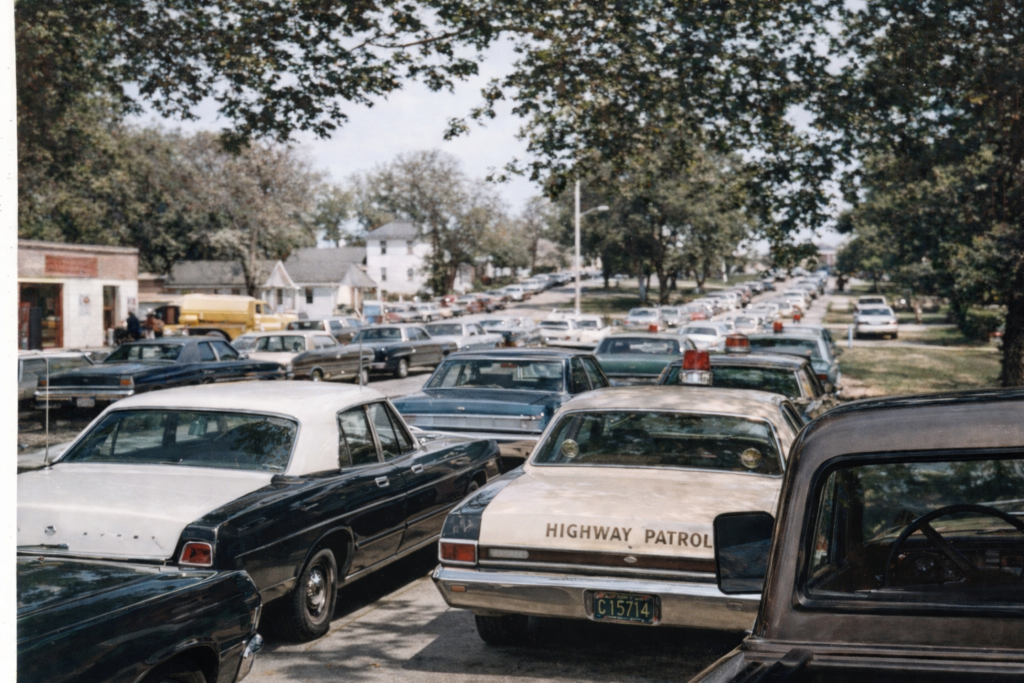
Law enforcement quickly responded. More than 100 Kansas Highway Patrol troopers, along with officers from Lansing, Leavenworth, and Leavenworth County, surrounded the penitentiary as staff worked to regain control. Inside the walls, the electrical cell-locking system was badly damaged, complicating efforts to restore order.
During the disturbance, one inmate was shot in the arm by a tower guard attempting to disperse a group of rioting inmates in the yard. No hostages were taken, and the situation was eventually contained.
Prison officials later reported that the shakedown had resulted in the removal of large quantities of contraband, including weapons, drugs, money, and unauthorized furniture—items that had quietly accumulated over time. The events of that morning reflected not just a single incident, but a breaking point shaped by exhaustion, sudden enforcement, and the broader unrest common in American prisons during the late 1960s.