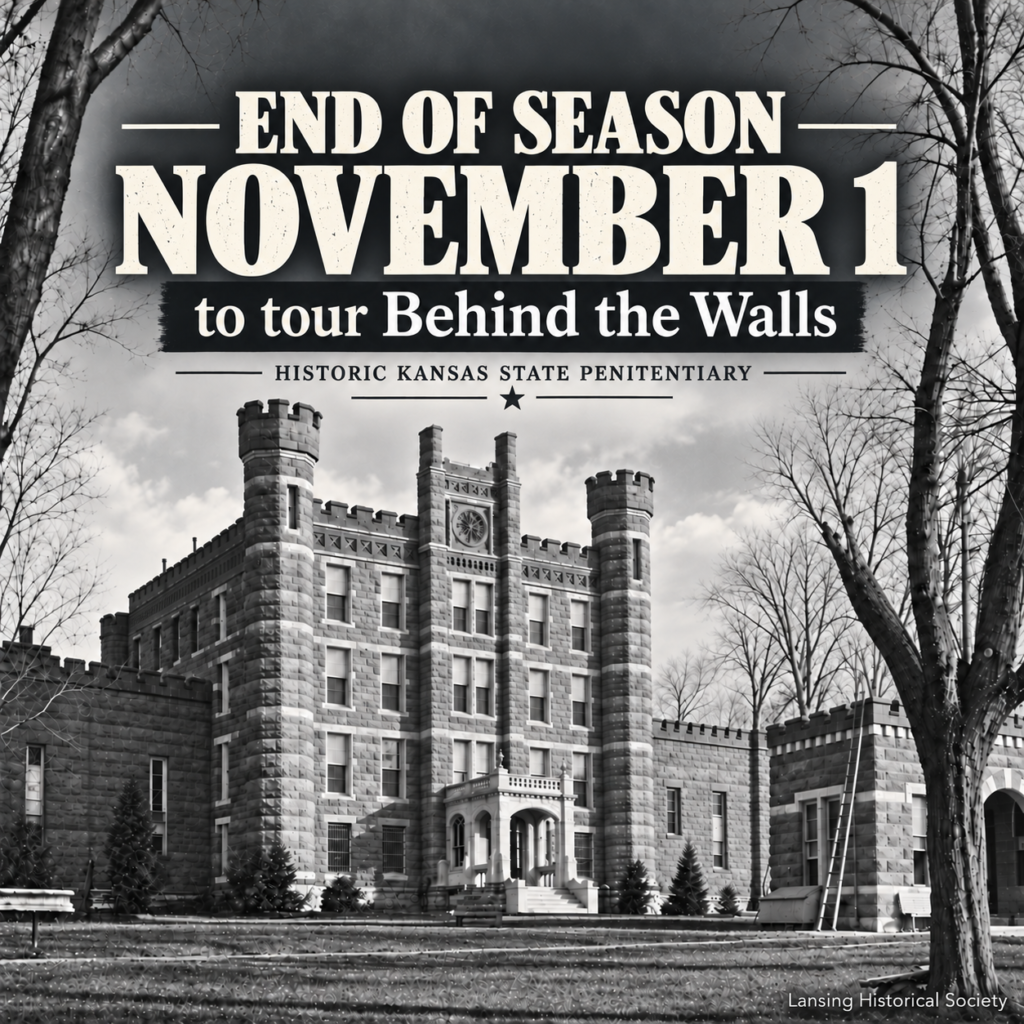
We’ll reopen April 2, 2027, for a new season of tours at the Historic Kansas State Penitentiary. Missed your chance this year? Sign-ups for next season are already available!
Plan your visit and reserve your spot:
kansasstatepenitentiarytours.com
We’ll reopen April 2, 2027, for a new season of tours at the Historic Kansas State Penitentiary. Missed your chance this year? Sign-ups for next season are already available!
Plan your visit and reserve your spot:
kansasstatepenitentiarytours.com
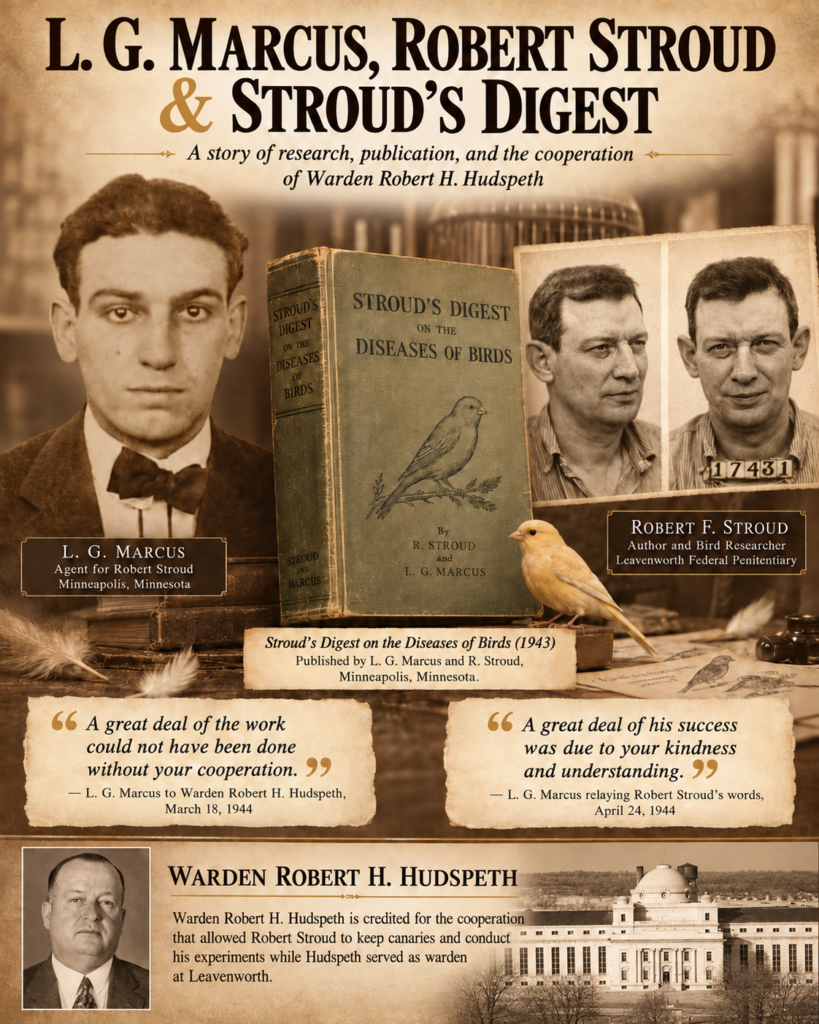
Among the treasures in the Lansing Historical Society Museum’s collection of former Warden Robert H. Hudspeth are two remarkable letters dated March 18 and April 24, 1944. Both were written to Hudspeth by L. G. Marcus of Minneapolis, Minnesota, the younger brother and literary agent of Robert Stroud, better known as the Birdman of Alcatraz. Stroud’s brother, originally known as Marcus Stroud, adopted the professional name L. G. Marcus, using his given name as his surname. He also reportedly performed as an escape artist under the name “The Great Marcus.”
Before becoming warden of the Kansas State Penitentiary in Lansing, Hudspeth served as warden of the United States Penitentiary at Leavenworth, where Robert Stroud was incarcerated. During those years, Stroud was permitted to keep canaries and conduct extensive research into avian diseases. His work eventually resulted in the publication of Stroud’s Digest on the Diseases of Birds in 1943, a 483-page reference book published in Minneapolis by L. G. Marcus and Robert Stroud.
What makes these letters particularly fascinating is the recognition given to Hudspeth for his cooperation. In his March 18, 1944, letter, Marcus wrote, “A great deal of the work could not have been done without your cooperation.” In his April 24 letter, Marcus relayed his brother’s appreciation, stating that Stroud believed “a great deal of his success was due to your kindness and understanding.” Stroud also reportedly expressed considerable respect for Hudspeth’s fairness during his administration at Leavenworth.
By the time these letters were written, Stroud had been transferred to Alcatraz, where he was no longer permitted to keep birds or continue his experiments. Hudspeth had moved on to become warden of the Kansas State Penitentiary. Yet the correspondence reveals that the relationship and mutual respect established at Leavenworth had not been forgotten.
History has a remarkable way of connecting people and places. These two original letters, preserved in the Hudspeth collection, offer a fascinating glimpse into the lesser-known story behind the Birdman of Alcatraz and recognize a Kansas prison warden whose cooperation helped make Stroud’s scientific achievements possible.
Lansing Historical Society & Museum — Preserving the stories behind the walls.
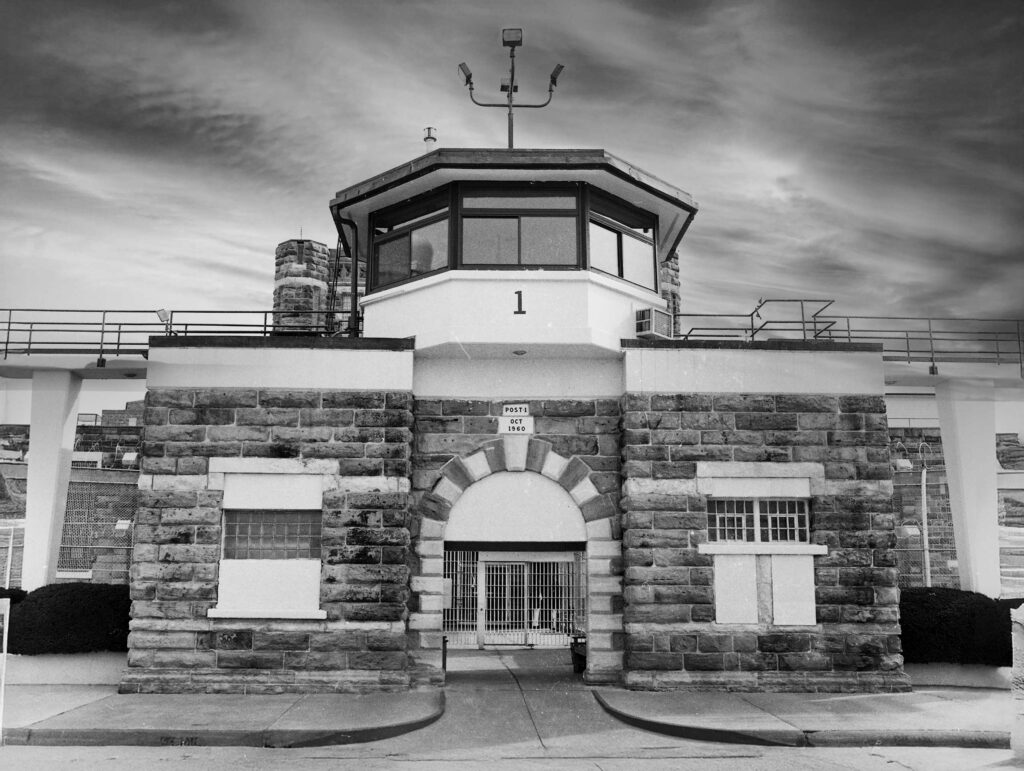
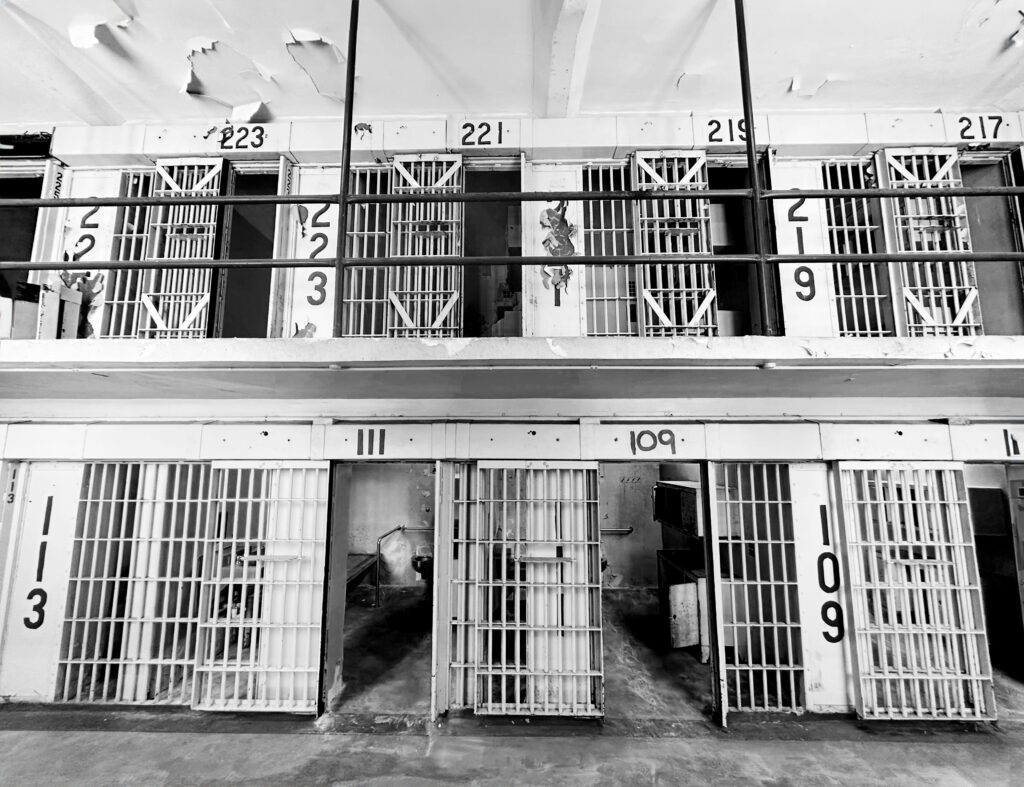
Behind these walls, time stands still. The historic Kansas State Penitentiary tour is a guided journey into the stories, spaces, and echoes of one of Kansas’ most historic institutions.
Behind the Walls Historical Tour
Tours are Friday, Saturday, and Sunday at 9 a.m., 12 p.m., and 3 p.m.
Approximately 2 hours Cost $30
A guided walk-through focusing on history, architecture, and life inside the walls. All tickets are purchased on line.
Behind the Walls Photography Tour
Approximately 3 hours Cost $40
Designed strictly for photography, this tour allows extended time for composition, lighting, and capturing details rarely seen. Guides are professional photographers with years of experience. All tickets are purchased on line.
Tour Size & Guests
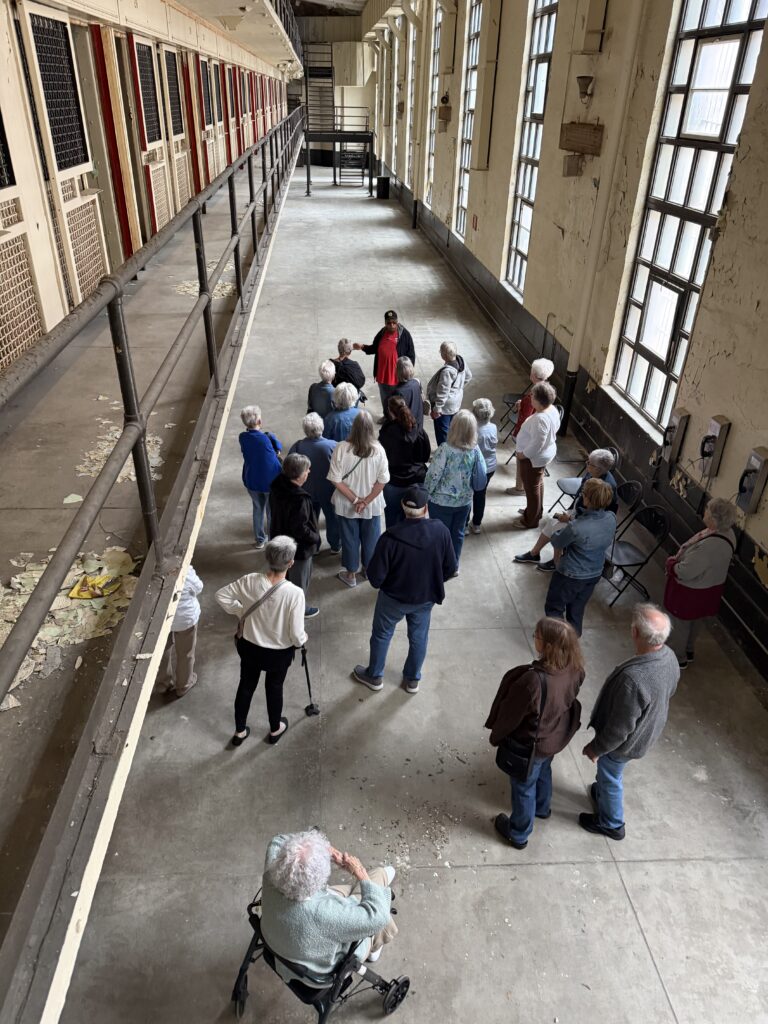
Tours include 15–20 guests
You do not need to arrive as part of a group—individual visitors are always welcome.
Everyone tours together; all guests are taken through the same areas.
Before You Arrive
Behind the Walls, History Lives On
This is more than a tour—it is a journey into another time, where history surrounds you at every turn. The past is not just remembered here; it is embedded in the stone walls and steel bars, echoing through the corridors and etched into every surface.
Your tour begins at the historic 1887 Atchison, Topeka & Santa Fe Depot, which now serves as the museum for the Historic Kansas State Penitentiary.
Because there is no climate control inside the prison walls, the museum houses our collection of historic photographs, artifacts, documents, and exhibits related to the penitentiary. We encourage guests to allow a little extra time to explore the museum before or after their tour.
Parking is available directly in front of the museum as well as along the street in front.
Kansas State Penitentiary
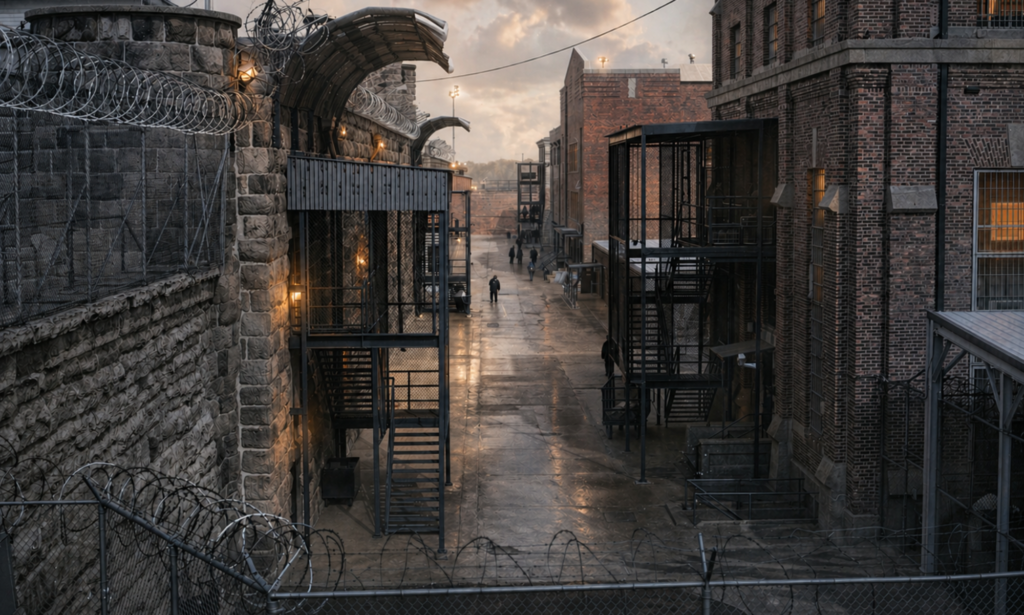
Step inside the walls of a prison where the past refuses to stay buried. Closed in 2020, the historic Kansas State Penitentiary still carries the weight of generations who lived, worked, suffered, and died behind its walls.
As darkness settles over the empty cell houses and silent corridors, stories of unexplained footsteps, disembodied voices, shadowy figures, and unseen presences begin to feel far too real.
The gates may have closed. The cells may be empty. But some believe the prisoners and staff who once walked these halls never truly left.
Enter if you dare—and discover what may still be waiting behind the walls.
Flashlight Tours and Mini Investigations
October 9th, 10th, and 16th
7pm, 9pm, 11pm
PURCHASE YOUR TICKETS HERE!
Full Ghost Hunts
October 24th and 30th
8pm- 12:30am
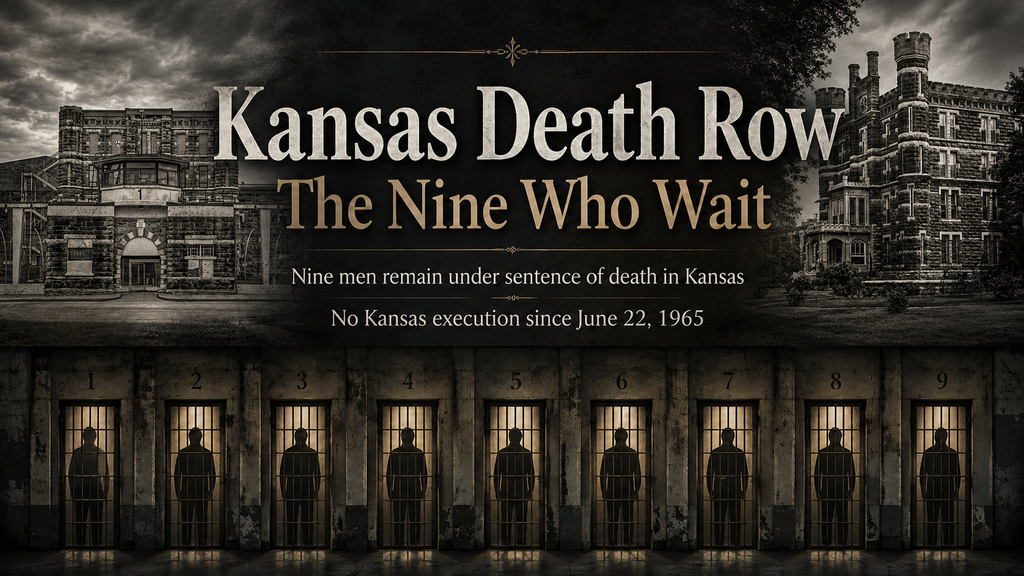
Kansas carried out its last executions on June 22, 1965, when George Ronald York and James Douglas Latham were hanged at the Kansas State Penitentiary in Lansing.
Nearly three decades later, Kansas reinstated the death penalty, effective July 1, 1994. Today, nine men remain under sentence of death in Kansas.
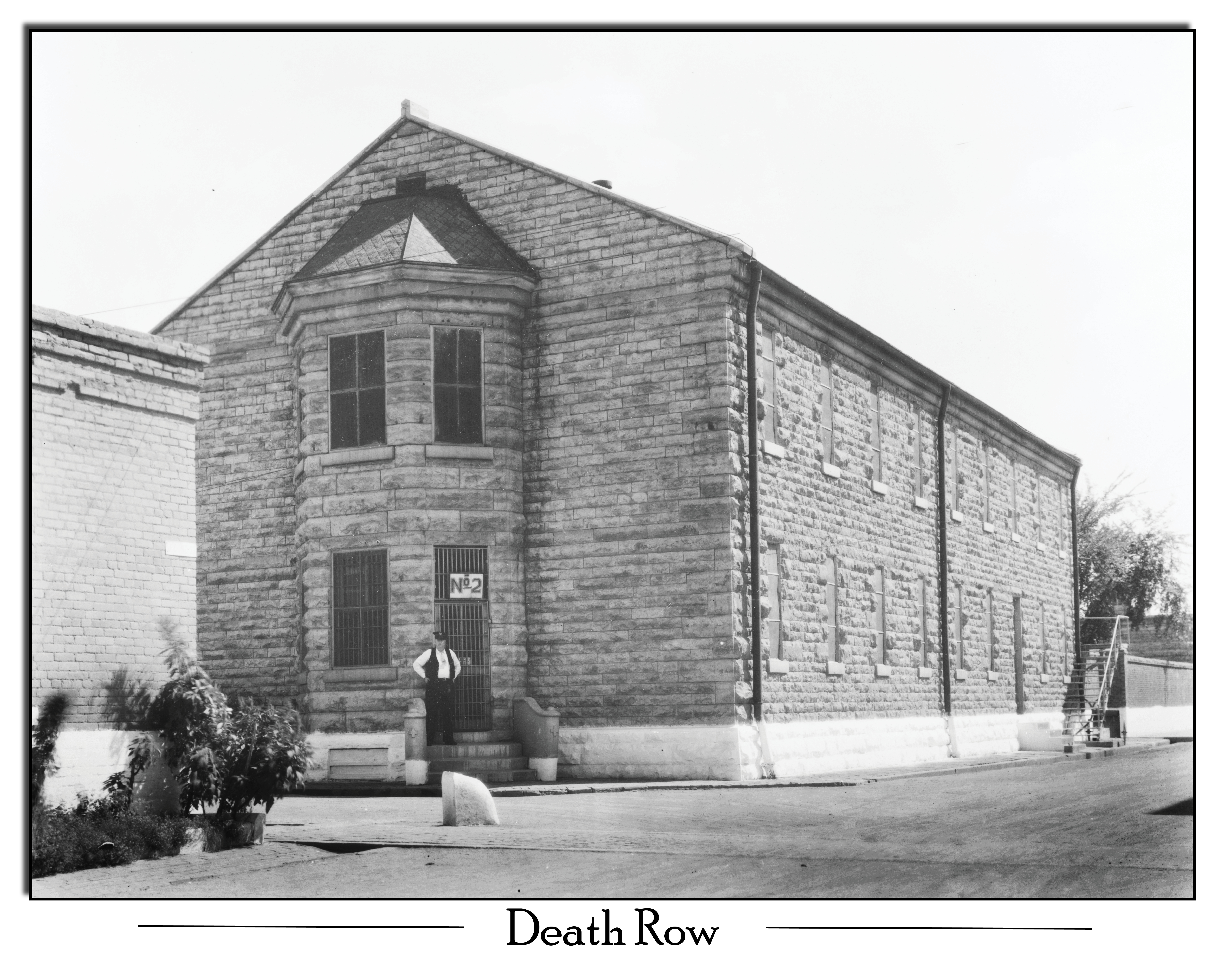
Kansas does not maintain a separate prison officially designated as “Death Row.” Prisoners sentenced to death have generally been housed in maximum-security or administrative segregation within the Kansas Department of Corrections.
The dates below show the date each man’s original death sentence was imposed. Because several sentences were overturned and later reinstated during lengthy appeals, the years shown should be understood as the time elapsed since the original death sentence—not necessarily uninterrupted time under an active death sentence.
Convicted: Capital Murder
Victim: Carrie Williams, age 20
County: Crawford County
Original Death Sentence: March 11, 1998
Time Since Original Death Sentence: More than 28 years
Gary Wayne Kleypas was convicted of the 1996 murder of Carrie Williams, a 20-year-old Pittsburg State University student. Williams was attacked inside her Pittsburg apartment.
Kleypas had previously been convicted of murder in Missouri and had been released on parole before Williams was killed.
In 1998, Kleypas became the first person sentenced to death under Kansas’s restored death-penalty law. His original death sentence was later overturned because of errors in the sentencing proceeding. A second jury again sentenced him to death in 2008.
Of the nine men currently under Kansas death sentences, Kleypas has been associated with a death sentence the longest.
Since his original death sentence
Convicted: Capital Murder and related crimes
Victims: Jason Befort, Brad Heyka, Heather Muller and Aaron Sander
County: Sedgwick County
Original Death Sentence: November 15, 2002
Time Since Original Death Sentence: Nearly 24 years
Jonathan Carr and his brother, Reginald Carr, were convicted following a violent December 2000 crime spree that became known as the Wichita Massacre.
Five young adults were held captive during a home invasion, robbed and sexually assaulted before being taken to a snow-covered soccer field and shot. Jason Befort, Brad Heyka, Heather Muller and Aaron Sander were killed. One victim survived and became a critical witness against the brothers.
The Carr brothers were also convicted in connection with other crimes committed during the same period.
Jonathan Carr received a death sentence in November 2002. His case has since traveled repeatedly through the Kansas and United States Supreme Courts.
Since his original death sentence
Convicted: Capital Murder and related crimes
Victims: Jason Befort, Brad Heyka, Heather Muller and Aaron Sander
County: Sedgwick County
Original Death Sentence: November 15, 2002
Time Since Original Death Sentence: Nearly 24 years
Reginald Carr was convicted alongside his brother Jonathan for the crimes that became known as the Wichita Massacre.
In December 2000, the brothers entered a Wichita home occupied by five young adults. The victims were held captive, robbed and sexually assaulted. They were later taken to a soccer field and shot.
Four died. One survived.
The brothers were additionally prosecuted for crimes committed during a series of robberies and attacks in Wichita, including the shooting of Ann Walenta, a Wichita Symphony Orchestra cellist who later died from her injuries.
Reginald Carr was sentenced to death on the same day as his brother: November 15, 2002.
Since his original death sentence
Convicted: Capital Murder
Kansas Capital-Murder Victims: Izabela Lewicka and Suzette Trouten
County: Johnson County
Death Sentence: January 21, 2003
Time Under Sentence: More than 23 years
John Edward Robinson Sr. became one of the most notorious murder defendants prosecuted in Kansas.
In 2000, investigators searching property Robinson owned in rural Linn County discovered the bodies of young women concealed inside barrels. The investigation ultimately connected Robinson to multiple murders spanning Kansas and Missouri.
In Kansas, Robinson was convicted of the murders of Izabela Lewicka, Suzette Trouten and Lisa Stasi. Because Stasi disappeared years before Kansas reinstated the death penalty, that conviction did not carry a death sentence.
Robinson was sentenced to death following his convictions for capital murder. He later accepted responsibility in Missouri cases involving additional victims and received life sentences there.
Since his Kansas death sentence
Convicted: Capital Murder
Victims: Mikiala “Miki” Martinez and Darren Wornkey
County: Barton County
Original Death Sentence: August 28, 2006
Time Since Original Death Sentence: 20 years
Sidney John Gleason was convicted in connection with the February 2004 murders of Mikiala “Miki” Martinez, 19, and Darren Wornkey, 24, near Great Bend.
Prosecutors argued that Martinez was killed because Gleason feared she might provide police with information concerning an earlier robbery.
Wornkey was shot and killed, and Martinez was later taken to a rural location and murdered.
A Barton County jury convicted Gleason of capital murder and recommended death. His sentence became part of years of litigation concerning Kansas’s capital-sentencing procedures, including proceedings that reached the United States Supreme Court.
His death sentence ultimately remained in effect.
Since his original death sentence
Convicted: Capital Murder of a Law-Enforcement Officer
Victim: Greenwood County Sheriff Matthew Samuels
County: Greenwood County
Death Sentence: January 23, 2008
Time Since Original Death Sentence: More than 18 years
On January 19, 2005, Greenwood County Sheriff Matthew Samuels went to a rural residence near Virgil, Kansas, while investigating a suspected methamphetamine operation.
Inside the residence was Scott Cheever.
Cheever shot and killed Sheriff Samuels during the operation and was later convicted of capital murder and other charges involving law-enforcement officers at the scene.
He was sentenced to death in January 2008.
Cheever’s conviction produced a major constitutional case concerning the use of psychiatric evidence and eventually reached the United States Supreme Court. His death sentence was ultimately upheld.
Cheever also has a unique connection to Lansing: unlike most of Kansas’s death-sentenced prisoners historically housed at El Dorado, Cheever has been housed at Lansing Correctional Facility.
Since his original death sentence
Convicted: Capital Murder
Victim: Jodi Sanderholm, age 19
County: Cowley County
Death Sentence: March 2, 2009
Time Since Original Death Sentence: More than 17 years
On January 5, 2007, Jodi Sanderholm, a 19-year-old Cowley College student and member of the college dance team, disappeared from Arkansas City.
Her abandoned vehicle was later recovered from a lake. Investigators subsequently found Sanderholm’s body in a rural area.
Justin Eugene Thurber was arrested and charged with her abduction, sexual assault and murder.
A Cowley County jury convicted Thurber of capital murder and recommended the death penalty. He was sentenced in 2009.
His case has remained the subject of extensive appeals, including litigation concerning whether intellectual disability would constitutionally prohibit his execution.
Since his original death sentence
Convicted: Capital Murder
Victims: Karen Kahler, Emily Kahler, Lauren Kahler and Dorothy Wight
County: Osage County
Death Sentence: October 11, 2011
Time Since Original Death Sentence: Nearly 15 years
On Thanksgiving weekend in November 2009, James Kraig Kahler went to the Burlingame home of Dorothy Wight, the grandmother of his estranged wife.
Four members of the family were shot and killed: Karen Kahler; the couple’s daughters, Emily, 18, and Lauren, 16; and Dorothy Wight, 89.
Kahler and Karen’s young son was also at the residence but survived.
Kahler was convicted of capital murder and sentenced to death in 2011.
His appeal eventually reached the United States Supreme Court, where Kahler challenged Kansas law concerning the insanity defense. In 2020, the Supreme Court rejected his constitutional challenge, leaving his conviction and death sentence in place.
Since his death sentence
Convicted: Capital Murder and Murder
Victims: Kaylie Bailey, Lana Bailey, Andrew Stout and Steven White
County: Franklin County
Death Sentence: May 18, 2016
Time Since Original Death Sentence: More than 10 years
In the spring of 2013, four people disappeared from a rural property near Ottawa, Kansas.
Investigators ultimately discovered the bodies of Andrew Stout, Steven White and 21-year-old Kaylie Bailey at the property.
Still missing was Kaylie’s 18-month-old daughter, Lana.
A search ended several days later when the child’s body was found concealed inside a suitcase recovered from a creek.
Kyle Trevor Flack was arrested and ultimately convicted of capital murder in the deaths of Kaylie and Lana Bailey as well as murder charges involving Stout and White.
A jury sentenced Flack to death on May 18, 2016. He is the most recently sentenced of Kansas’s current nine death-sentenced prisoners.
Since his death sentence
Kansas’s modern death-penalty law took effect on July 1, 1994.
Yet the story of capital punishment in Kansas reaches much farther back—and directly through the walls of the Kansas State Penitentiary.
From 1944 through 1965, fifteen men were executed by hanging at KSP.
Among the last were Richard Eugene Hickock and Perry Edward Smith, executed on April 14, 1965, for the murders of the Clutter family near Holcomb—a case later made internationally famous by Truman Capote’s In Cold Blood.
Only two months later, on June 22, 1965, George Ronald York and James Douglas Latham were executed.
They were the last men put to death by the State of Kansas.
Kansas abolished capital punishment in 1972 following changes in federal constitutional law. After several unsuccessful attempts to restore it, the Legislature enacted a new death-penalty statute in 1994.
Since that law took effect, Kansas juries have again imposed death sentences.
But Kansas has not carried out an execution in more than sixty years.
Today, nine men remain under sentence of death.
Their cases span nearly three decades.
The longest has been associated with a Kansas death sentence since 1998.
The newest received his sentence in 2016.
And still, the last execution carried out by the State of Kansas occurred here in Lansing—
June 22, 1965.
The historic Kansas State Penitentiary offers special group tours designed for schools, colleges, community organizations, educational programs, and similar organized groups.
These tours are available for groups of 15 or more participants and are offered at a discounted rate of $20 per person. Each group tour is private, meaning only your group will be on the tour.
To book a qualifying group tour, visit KSP Tour Tickets on our website. When prompted, select KDOC to reserve the $20 per person group rate.
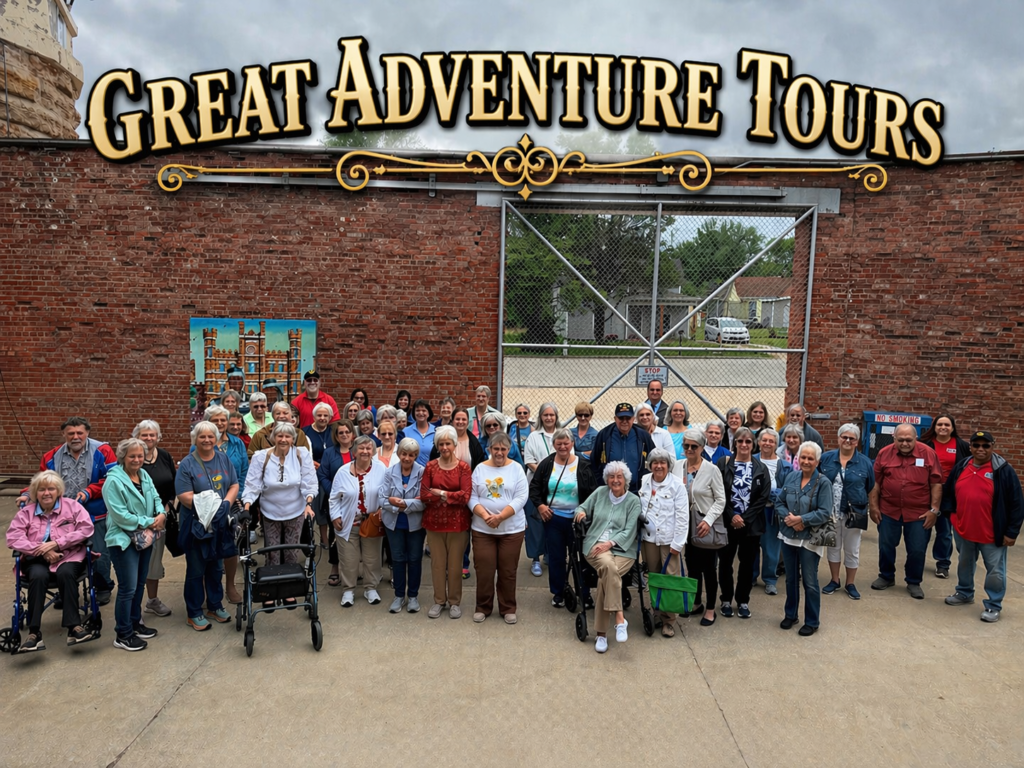
Advance registration and payment are required for all group tours. Because tour availability can be affected by unexpected or random bookings, planning ahead allows us to properly schedule guides and ensure a quality experience for your group.
For questions about group tours or scheduling, please contact us before booking at info@lansingkansashistory.com.
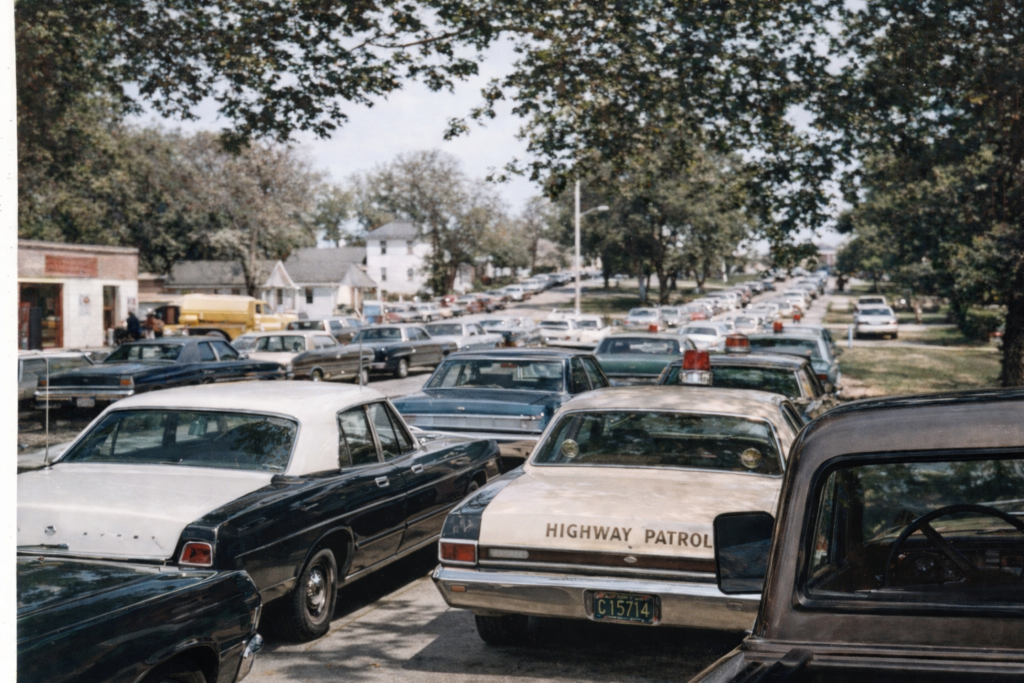
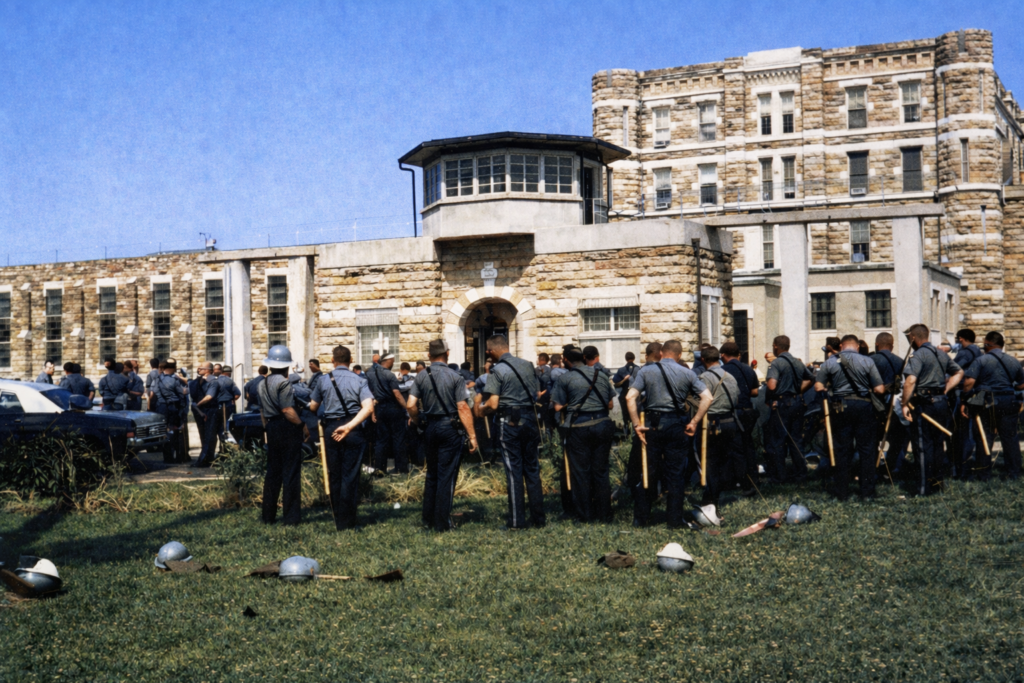
In the early morning hours of June 18, 1969, the Kansas State Penitentiary was already tense. The night before, prison officials had conducted a rare general shakedown, searching cell houses for contraband. Cells were entered, property was removed, and inmates were kept awake well into the night. By morning, exhaustion and frustration hung heavily inside the walls.
After breakfast, inmates were sent to their regular work assignments. It was then that the unrest surfaced. Windows were smashed in two cell houses, and small fires were set, signaling that order inside the prison had begun to break down. What had simmered through the night now erupted in daylight.
Law enforcement quickly responded. More than 100 Kansas Highway Patrol troopers, along with officers from Lansing, Leavenworth, and Leavenworth County, surrounded the penitentiary as staff worked to regain control. Inside the walls, the electrical cell-locking system was badly damaged, complicating efforts to restore order.
During the disturbance, one inmate was shot in the arm by a tower guard attempting to disperse a group of rioting inmates in the yard. No hostages were taken, and the situation was eventually contained.
Prison officials later reported that the shakedown had resulted in the removal of large quantities of contraband, including weapons, drugs, money, and unauthorized furniture—items that had quietly accumulated over time. The events of that morning reflected not just a single incident, but a breaking point shaped by exhaustion, sudden enforcement, and the broader unrest common in American prisons during the late 1960s.
Historical Significance:
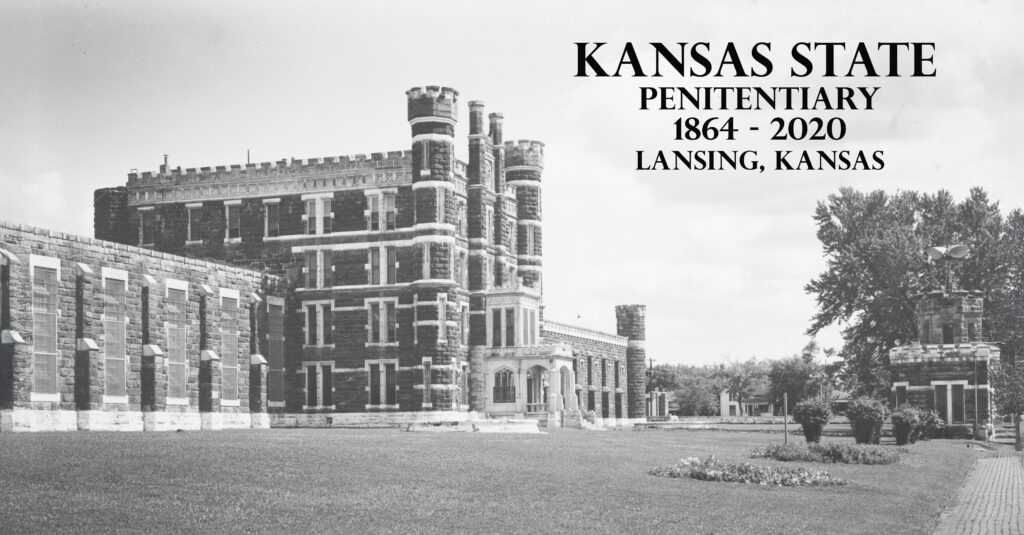
The Kansas State Penitentiary is more than just a building; it symbolizes Kansas’ early statehood and the challenges of establishing law and order on the frontier. Opening shortly after Kansas became a state, this prison has witnessed significant events from the Civil War to the modern era, with each period leaving its mark on its history.
Architectural Marvel:
The prison’s imposing limestone structures, quarried and constructed by early inmates, reflect the craftsmanship of that era. As you walk the grounds, you can almost hear echoes of the past—the sound of hammers in the stone quarries, voices from the chow hall, and even the performances that once took place within its walls.
Personal Narratives:
The untold stories of inmates, staff, and their families provide a rich tapestry of experiences that highlight themes of rehabilitation, resilience, and human struggles. Educational programs often include personal accounts from former staff or historians who can elaborate on the complexities of life inside the prison. This aspect brings a personal touch to the factual history, making it more relatable and engaging.
Cultural Connections:
The facility is also a significant piece of cultural history, having hosted performances from iconic musicians, like Johnny Cash and his wife, June Carter Cash during the early 1970’s to hosting the annual “Behind the Walls” car show the last weekend in September.
Interactive Learning:
Guided tours by former correctional officers can offer engaging learning opportunities for students, history enthusiasts, and the general public. These experiences can include interactive exhibits, discussions, and even workshops that delve deeper into the societal implications of incarceration and reform.
Overall, the historic Kansas State Penitentiary stands as an educational resource, inviting reflection on justice, history, and human experience. It encourages visitors to engage thoughtfully with the complexities of the past while considering their relevance to contemporary issues.
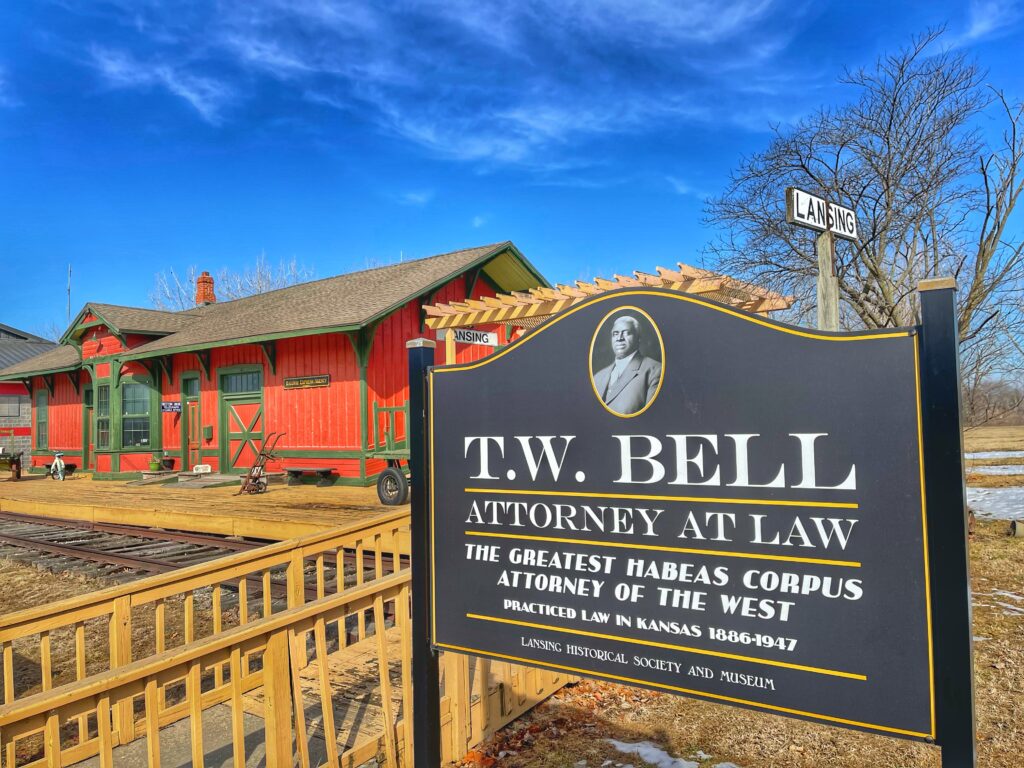
“Honorable Turner W. Bell, the greatest Habeas Corpus Lawyer of the West,” proclaimed the Kansas City Sun in an article covering Bell’s defense of three labor union dynamiters. The title would follow him throughout a remarkable 61-year legal career during which he handled more than 1,400 habeas corpus cases. Over the course of his practice, Bell appeared before courts of appeal in eight judicial districts, building a reputation that extended far beyond Kansas.
Turner William Bell was born into slavery on April 1, 1857, in Corinth, Mississippi, according to his death records. He was the second eldest of eleven children who survived to adulthood.
When the Civil War erupted, Corinth became a strategic focal point for both Union and Confederate forces. Two major rail lines intersected in the town’s center—the Memphis and Charleston Railroad, running east and west, and the Mobile and Ohio Railroad, running north and south—making it a crucial transportation hub.
Following the Battle of Corinth, Bell’s father, Peter Bell, gained his freedom. According to the Department of Iowa Grand Army of the Republic, Peter enlisted as a private in the 110th United States Colored Infantry and was mustered out of service in 1865. After the war, the Bell family relocated to Dallas County, Iowa.
They settled on a farm near Adel in a largely Quaker community where young Turner attended school. He excelled academically, graduating with honors from high school and later earning his law degree from Drake University. Bell made history as the first African American to be sworn into the Iowa Bar Association.
There are differing accounts of when Bell joined the Leavenworth County Bar. He first appears in the 1887 Leavenworth City Directory with a law office at 416 Delaware Street. However, several newspaper reports state that Judge William C. Hook swore him into the Leavenworth County Bar in 1886.
In the years that followed, Bell maintained offices at various downtown Leavenworth locations—several of which still stand today. From this professional base, Bell devoted himself to what he once referred to as his “hobby”: securing freedom for those unlawfully imprisoned. It is estimated that he helped free more than 1,500 individuals through writs of habeas corpus. Today, habeas corpus remains a fundamental legal tool used to restore liberty to individuals held in state or federal custody.
By 1915, Bell’s office was located in the prestigious Wulfekuhler Building, where he practiced alongside other attorneys. The city directory of that year lists him as the only “colored” attorney practicing law in Leavenworth.
In 1918, Bell joined the newly organized Kansas Defense Society as legal counsel. The society, formed to “test the constitutional rights of the race along civil, political and other lines that may be necessary to bring about justice and sentiment in behalf of the race in this country,” was reported in the Topeka Plaindealer on November 29, 1918.
The Kansas Defense Society emerged in response to the court-martial and execution of 19 soldiers from the 24th Infantry following the 1917 Houston Riots. A military court at Fort Sam Houston convicted 118 enlisted men; 63 were sentenced to life imprisonment at the Federal Penitentiary in Leavenworth. Bell filed a writ of habeas corpus before the United States Supreme Court, arguing that the court-martial proceedings did not comply with established military law and that the men were not performing soldierly duties at the time of the riot, nor was the nation formally at war. His arguments were reported in The Leavenworth Times on May 23, 1920.
Through the combined efforts of Bell and Congressman D.R. Anthony, Jr., of Leavenworth, the life sentences of these men were eventually commuted to terms of ten to fifteen years.
Bell married Elizabeth “Lizzie” Patterson in Leavenworth in January 1890. Lizzie became an active figure in social and political circles. In 1909, she was elected president of the State Federation of Colored Women’s Clubs, and in 1915 she served as a delegate to the Northwestern Federation of States for Colored Women in Chicago. Lizzie’s mother, Martha, lived with the Bells at 744 Kickapoo Street until her death in 1924 at the age of 100. In July 1920, The Leavenworth Times reported that Martha had walked from her home to the Leavenworth County Courthouse to register to vote following passage of the 19th Amendment, then walked home after resting—a powerful testament to civic determination.
Turner W. Bell continued practicing law well into advanced age, eventually becoming the oldest member of the Leavenworth County Bar. He died on August 25, 1948, at the age of 91, leaving behind a legacy defined by justice, constitutional advocacy, and an unwavering commitment to liberty.
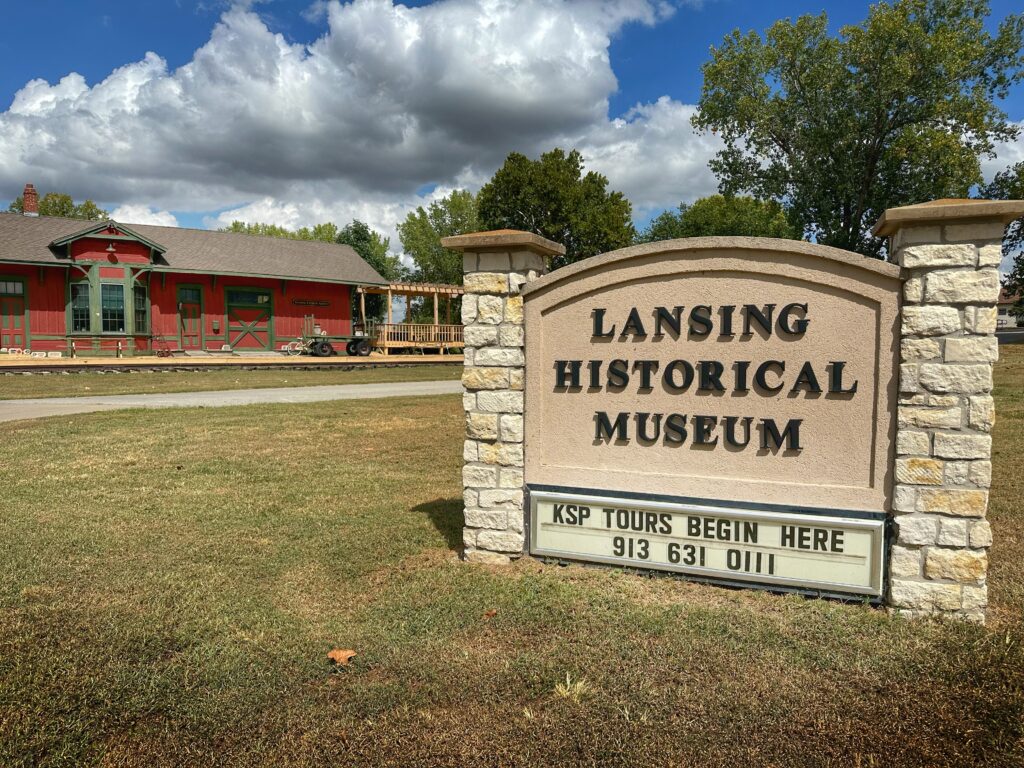
The Lansing Historical Society and Museum is situated on the Kansas State Penitentiary grounds, serving as a vital center for the local community’s history. It focuses on preserving and sharing the unique heritage of Lansing and the surrounding Delaware Township, with significant emphasis on the roles of railroads, prisons, and coal mining in shaping the area.
The Museum Experience
Housed in a meticulously restored 1887 Atchison, Topeka & Santa Fe Railway depot, the museum is more than just a display of artifacts; it offers a rich, immersive experience through local history. Visitors can explore an extensive collection of photographs and historical documents, including school images dating back to 1908, providing a comprehensive understanding of the region’s past.
Mission Statement
The mission of the Lansing Historical Society is to safeguard and share the rich history of Delaware Township, including the City of Lansing and the town of Progress. Through our collections and exhibits, we aim to preserve authentic historical materials and broaden the public’s awareness of local stories.
Trains and Trolleys
The museum highlights the profound impact of the transcontinental railroad on the nation’s growth during the Civil War. Notable railroads, including the Kansas City-Western Railway Co., traversed through towns in Delaware Township, connecting communities and fueling economic development. The museum’s collection includes railroad maps, documents, timetables, and photographs that chronicle this important aspect of local history.
The Coal Mines
Established in 1859 by the Kansas Territorial Legislature, the Kansas State Penitentiary is one of the oldest correctional institutions in the U.S., designed by local architect Erasmus T. Carr. The facility significantly influenced the development of the area, fostering the growth of the nearby Town of Progress.
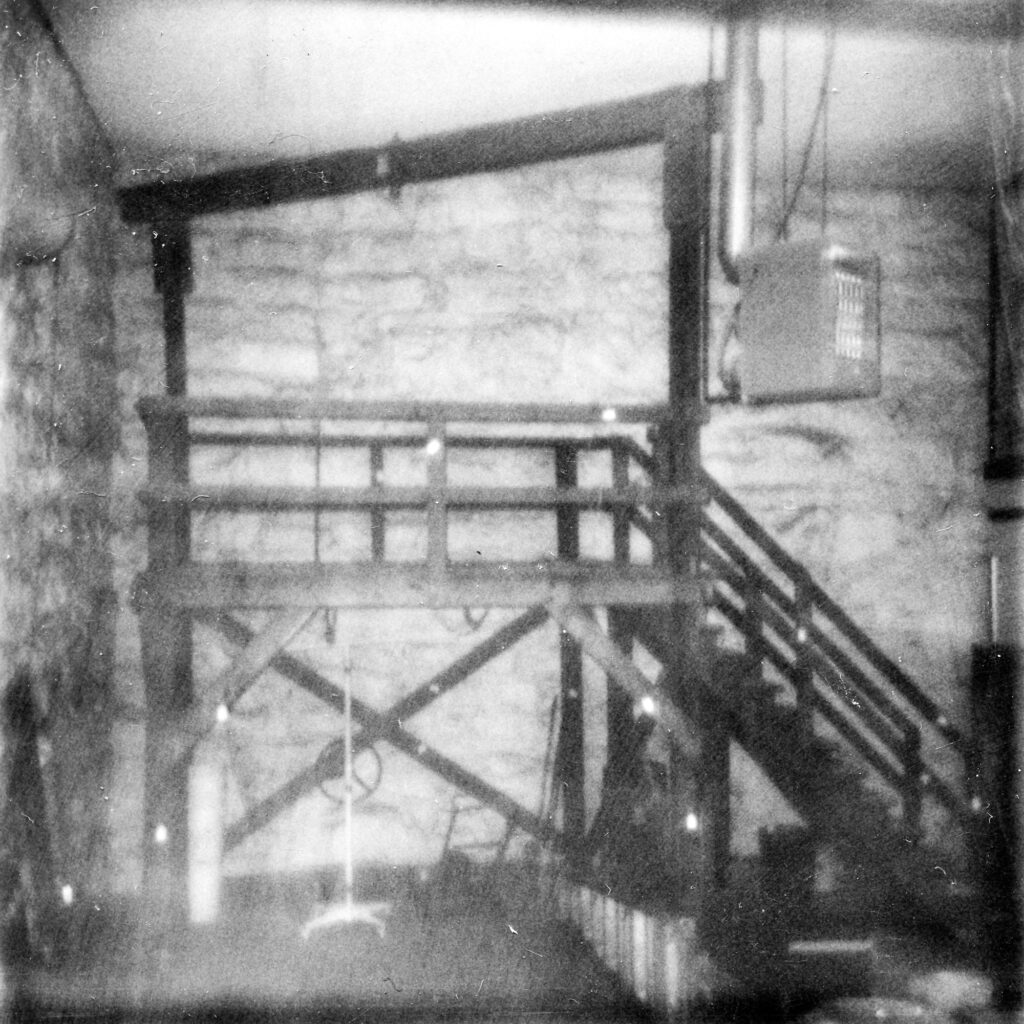
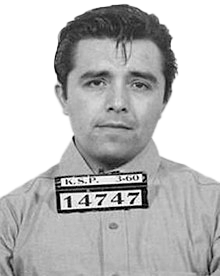
From 1944 to 1965 it conducted hangings for capital punishment with notable cases including those of Lowell Andrews and the Clutter family murderers, Perry Smith and Richard Hickock, whose stories are immortalized in Truman Capote’s novel, “In Cold Blood.” Smith and Hickock were hung April 15, 1965 followed by George Lathrop and James York two months later on the 22 June.
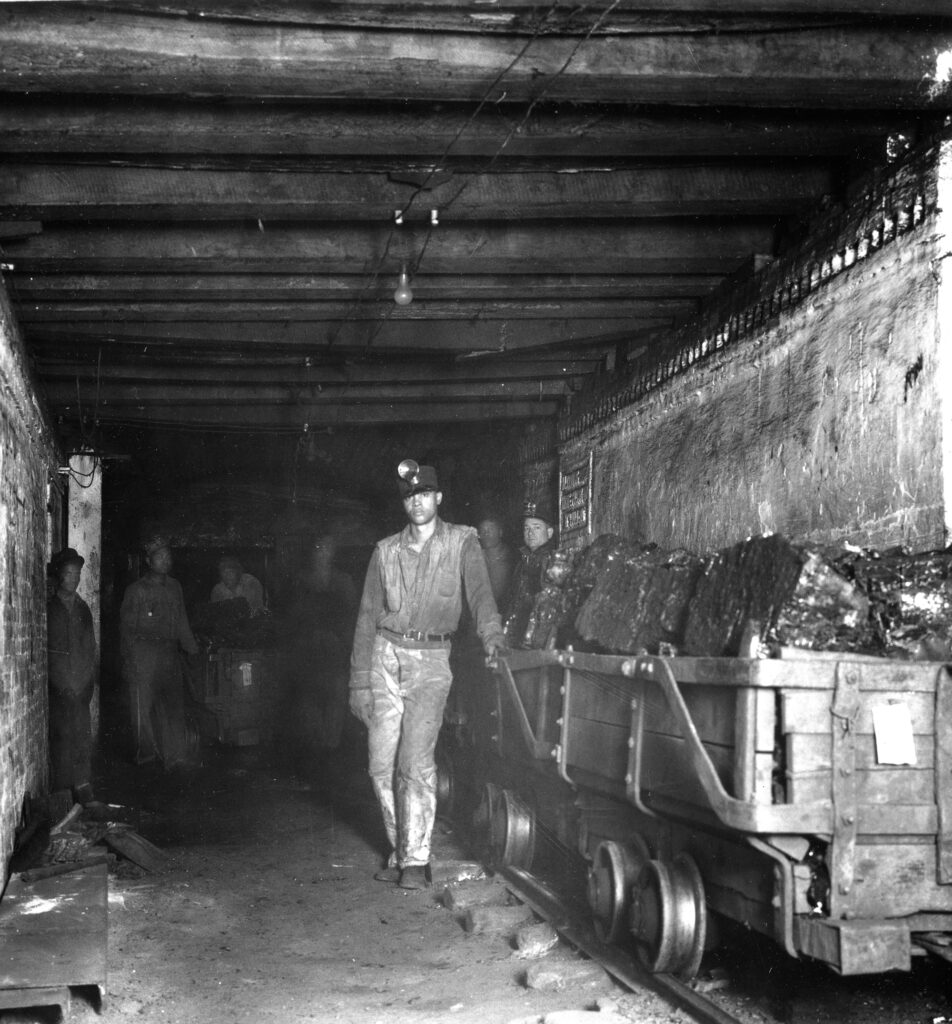
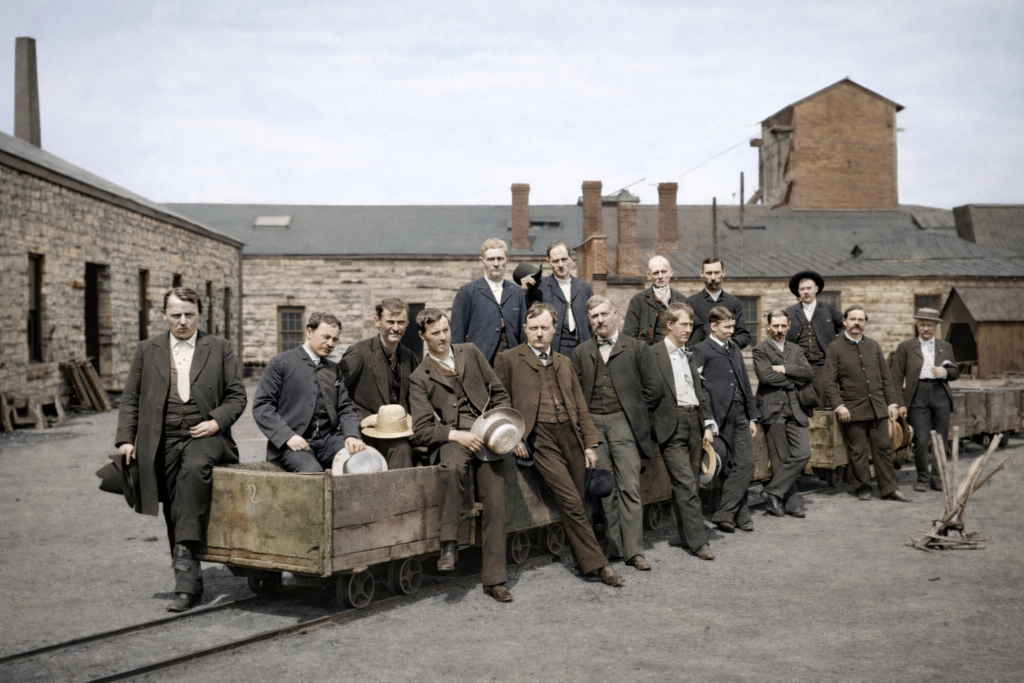
The discovery of coal in Delaware Township led to the establishment of several coal mines, including Carr, Brighton, and the Kansas State Penitentiary. KSP not only utilized its coal resources to power its operations but also supplied fuel to numerous state buildings, highlighting the prison’s role in the states economy.
Kansas State Penitentiary
Perry Edward Smith
October 27, 1928 – April 14, 1965
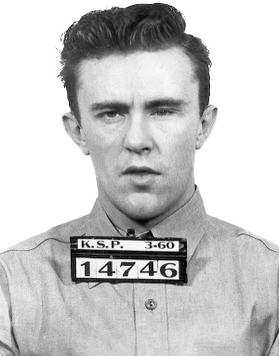
June 6, 1931 – April 14, 1965
History of
Delaware Township
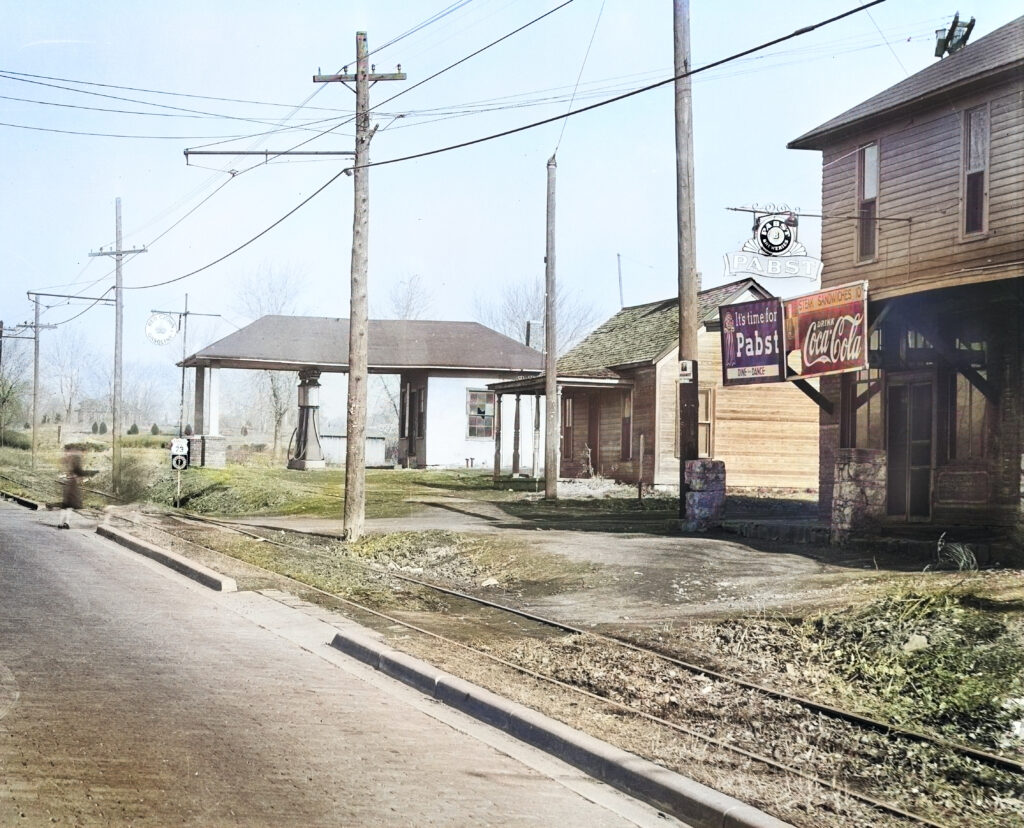
Delaware Township is the historical heart of the Lansing region, encompassing several former towns, such as Progress, Brighton, and Wadsworth. The township’s history includes the development of the Brighton Mine and the flourishing agricultural sectors, like the Ryan Brothers Cattle Farm, highlighting the diverse economic landscape of the area from the late 19th century to today.
The Lansing Historical Society and Museum plays a crucial role in preserving this intricate tapestry of history, ensuring that future generations can learn about and appreciate the rich legacy of their community.